Baby hair bow clips are such a small thing, but they end up being more useful than you’d think. Whether you’re taking newborn photos or just want your daughter to look cute for a family dinner, knowing what works makes shopping way easier. We have compiled essential information about infant hair bow clips, including their various types and the necessary safety precautions. So, you’ll not be guessing after reading this blog.
When Can Your Baby Start Wearing Hair Bow Clips?
It really comes down to how much hair your daughter has at any given time.
1. Newborns (0-3 Months)
Honestly, most newborns have almost no hair. Those tiny newborn hair clips aren’t going to stay put. What works better are soft nylon headbands with bows attached. Throw one on for photos and you’re done. No clipping involved, nothing tugging at her head.
2. 3-6 Months
Once your baby gets some fuzz going, you can try tiny infant hair bow clips. Go with the softest ones you can find and keep it short. We’re talking for 10 minutes for a photo op, not all-day wear. Some babies hit this window around 4 to 5 months, and their parents are surprised at how suddenly there’s enough hair to work with, while others don’t have visible hair until closer to 8 months. Don’t stress if your daughter is on the slower side. It varies so much from kid to kid.
3. 6-12 Months
Now you’ve got real hair to work with. You can try different infant barrettes and small baby hair bow clips and see what sticks. This is when you figure out what your daughter tolerates and what looks good. Around 8 months is when a lot of parents report finally getting somewhere with clips staying in place for more than 30 seconds without their daughter yanking them out immediately.
4. 12+ Months
By one year, her hair is thicker and she’s less likely to yank everything out immediately. Toddler bows and toddler hair bows become way more practical for actual use, not just special occasions. That said, some kids just hate anything in their hair no matter what age. That’s normal too. You’re not doing anything wrong.
Types of Baby Hair Bow Clips Explained
There are basically four main types, and each one serves a different purpose.
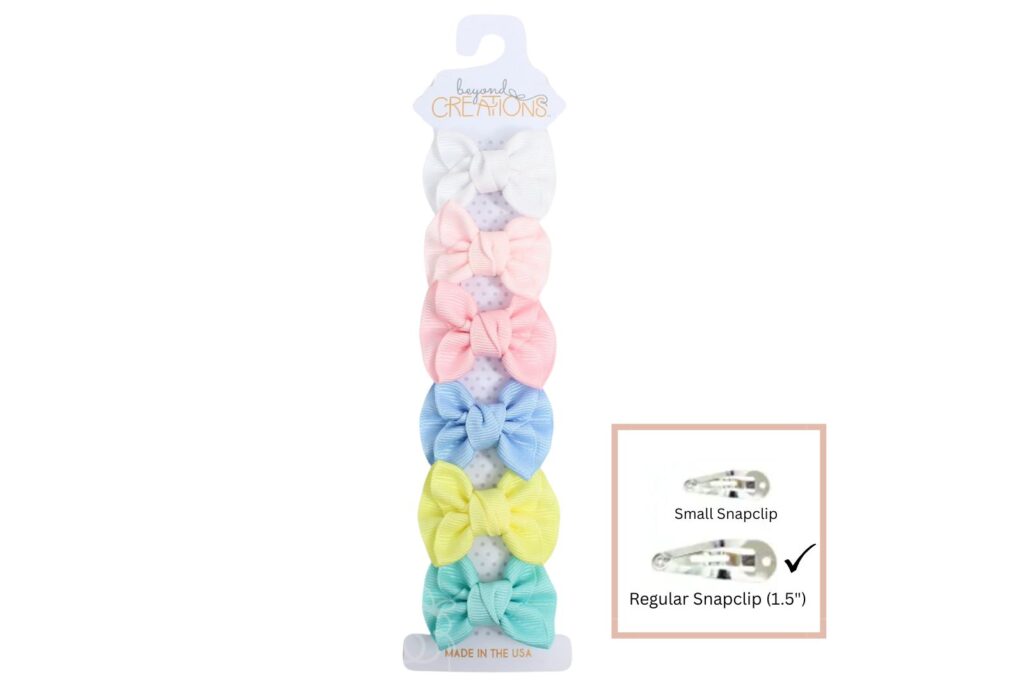
1. Snap Clips
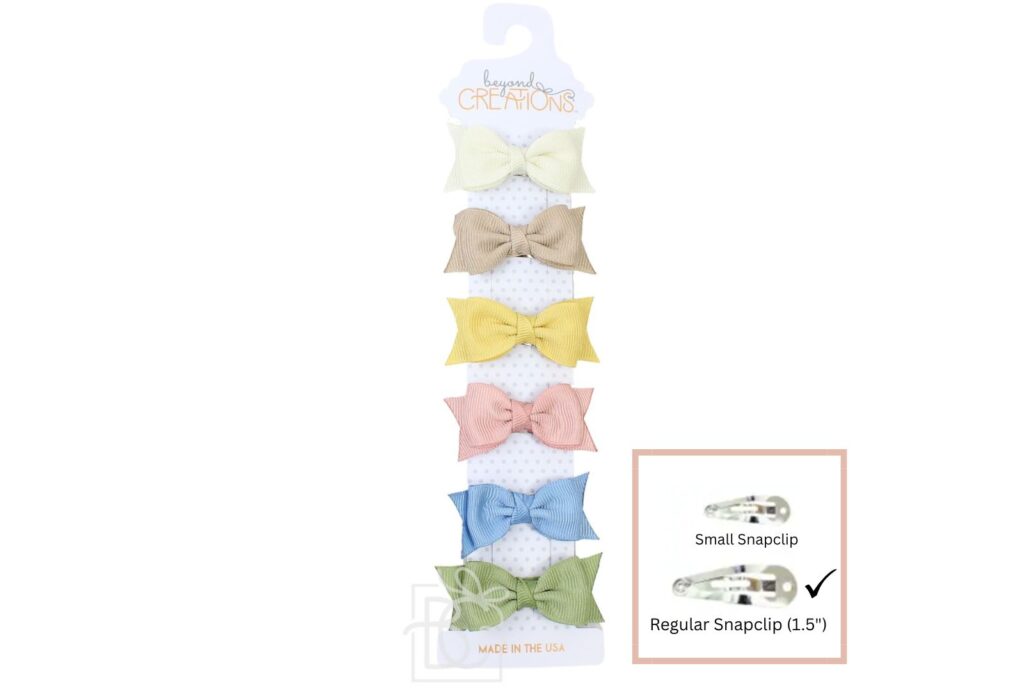
These are what most people use. They’re basically a plastic base with a soft silicone or fabric grip that snaps onto hair without pressure.
Snap Clips are the most versatile option. You can swap them out multiple times a day if you want, and they won’t damage hair if you’re using quality ones. Parents with fine-haired babies often swear at these because the clip doesn’t require squeezing down too hard to stay put. The silicone just grips gently without pressure.
Best for: 6 months to 2+ years
Material: Plastic with soft silicone grip
Why they work: Easy on, easy off, come in literally every pattern, hold without tugging
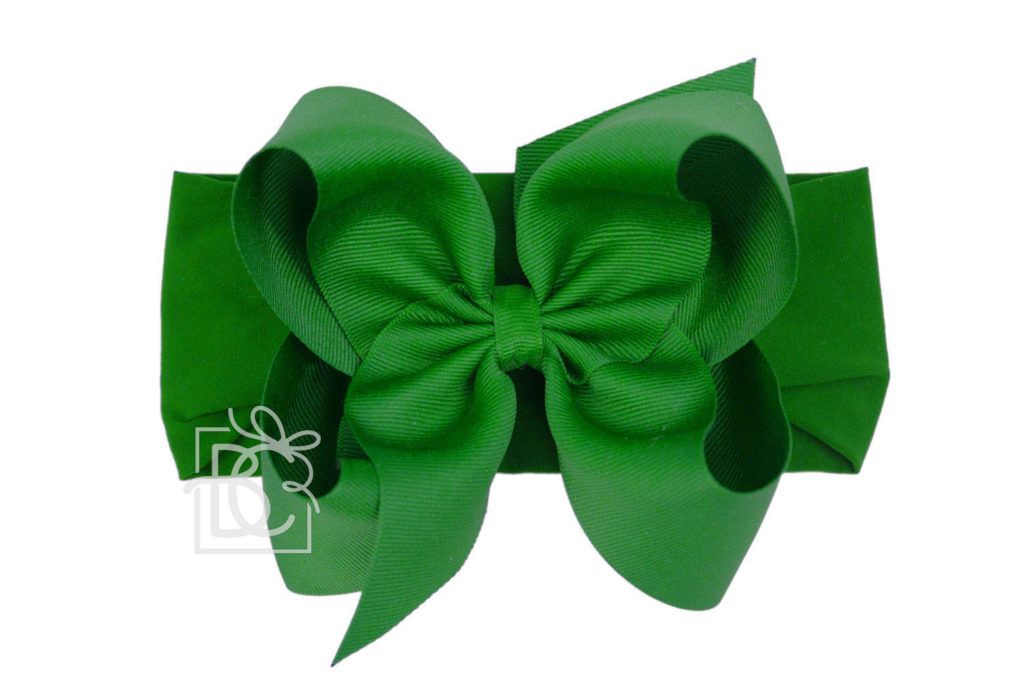
2. Soft Headbands with Bows
These are stretchy bands with bows sewn right on. No clipping needed.
Perfect for newborn shoots. You’re not worried about her comfort because there’s nothing gripping about anything. They’re forgiving. Most parents find this stay in place better than expected, which is surprising since they look so delicate.
Best for: Newborns to 6-month-olds
Material: Stretchy nylon with fabric bows
Why they work: Nothing pinches, they stay on naturally, tons of styles available
3. Barrettes with Bows
Traditional clamp-style infant barrettes and baby girl hair clips. The kind that clamps down on hair.
These need thicker hair to work well. If you try them on fine baby hair, they’ll either slip or pull uncomfortably. Wait until her hair is noticeably full before introducing these or save them for special occasions when you’re doing her hair and she’s sitting still.
Best for: Toddlers 12+ months with thicker hair
Material: Metal or plastic with padded inside
Why they work: Keep hair locked in place during activity, look more polished, don’t slip
4. Mini Alligator/Claw Clips
Tiny versions of the claw clips everyone has. They open and close without harsh pinching.
These last forever and hold up to toddler pulling. They won’t work on newborn fuzz but they’re great once hair gets thick. A lot of parents find these are the first clips their toddler stops fighting against, probably because they feel less intrusive than snap clips.
Best for: Toddlers 18+ months
Material: Flexible plastic
Why they work: Super durable, allow for actual styling, look fun

How to Ensure That Your Baby Hair Bow Clips Are Safe?
Here’s what matters.
1. Material Quality
- Grips should be soft silicone or fabric wrapped. Hard plastic grips tug too much.
- Nothing sharp or pointy. Feel it with your finger.
- If your baby has sensitive skin, check if it’s hypoallergenic.
- Any metal should be nickel-free. Nickel causes rashes, and it’s surprisingly common for babies to have sensitivity to it.
2. Sizing Matters
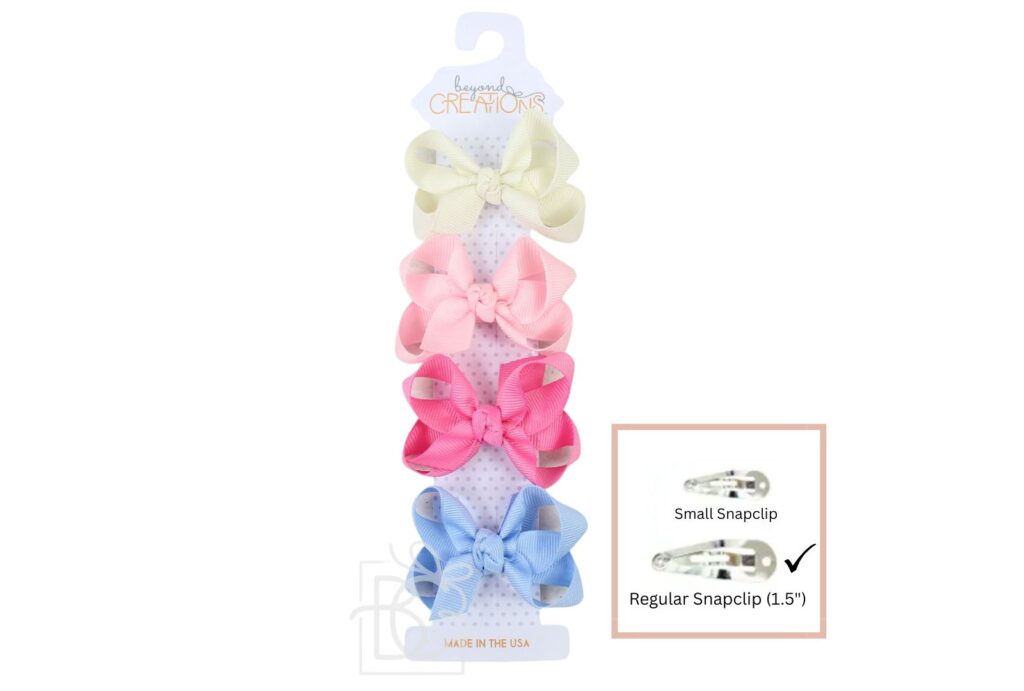
- Infant clips are around 1 to 1.5 inches wide because baby heads are small.
- Toddler bow clips are 2 to 3 inches because toddler heads are bigger.
- Using the wrong size is uncomfortable and looks silly. Parents sometimes buy bigger clips thinking their baby will “grow into them” and then they just sit unused because the timing never feels right.
3. Things to Actually Check
- CPSC compliance (that’s the safety standard in the US)
- BPA-free plastic
- Nothing that comes loose and becomes a choking hazard
- Well-made, not falling apart
4. How It’s Put Together
- Stitching isn’t coming undone.
- No loose threads.
- Grips that work. They hold but don’t strangle the hair.
- Material that lasts through regular use. Cheap clips start losing their grip after a few weeks, which defeats the purpose.
How Material Choices Impacts Hair Health?
This matters more than people realize.
1. Fabric
Satin, grosgrain ribbon, and organic cotton are gentler than cheap synthetics. Baby hair breaks easily, so the material quality actually makes a difference in how much damage happens. Parents who’ve noticed breakage after using low-quality clips often switch to higher-end brands and see immediate improvement.
2. Grip Material
Medical-grade silicone is way better than hard plastic. It bends with the hair instead of squeezing it. Fabric-wrapped grips are another good soft option. The difference is noticeable within the first few uses, your baby’s tolerance increases when the grip doesn’t feel pinchy.
3. Metal Quality
If your infant hair bow clips have metal parts, they need to be smooth and nickel-free. Rough cheap metal catches hair and irritates skin. Some babies develop a scalp rash from low-quality metal parts, so if you see redness where a clip was, it might be worth switching brands.
Why Baby Hair Bow Clips Matter
Baby girl hair bow clips turn into memories faster than you’d expect. That first photo with a bow, her birthday outfit, family holidays, they mark moments. And your daughter gets to feel a little bit special, even if she’s too young to know what she’s wearing.
Whether you’re buying a full collection of infant hair bow clips or just hunting for one perfect baby bow clip for a specific day, make safety the priority first. Then, pick what actually appeals to you and your budget.
Grab a few good pieces, put a bow in her hair when it feels right, and take the photo. That’s the moment!